Forsker
Tine Gade

Kontaktinfo og filer
Sammendrag
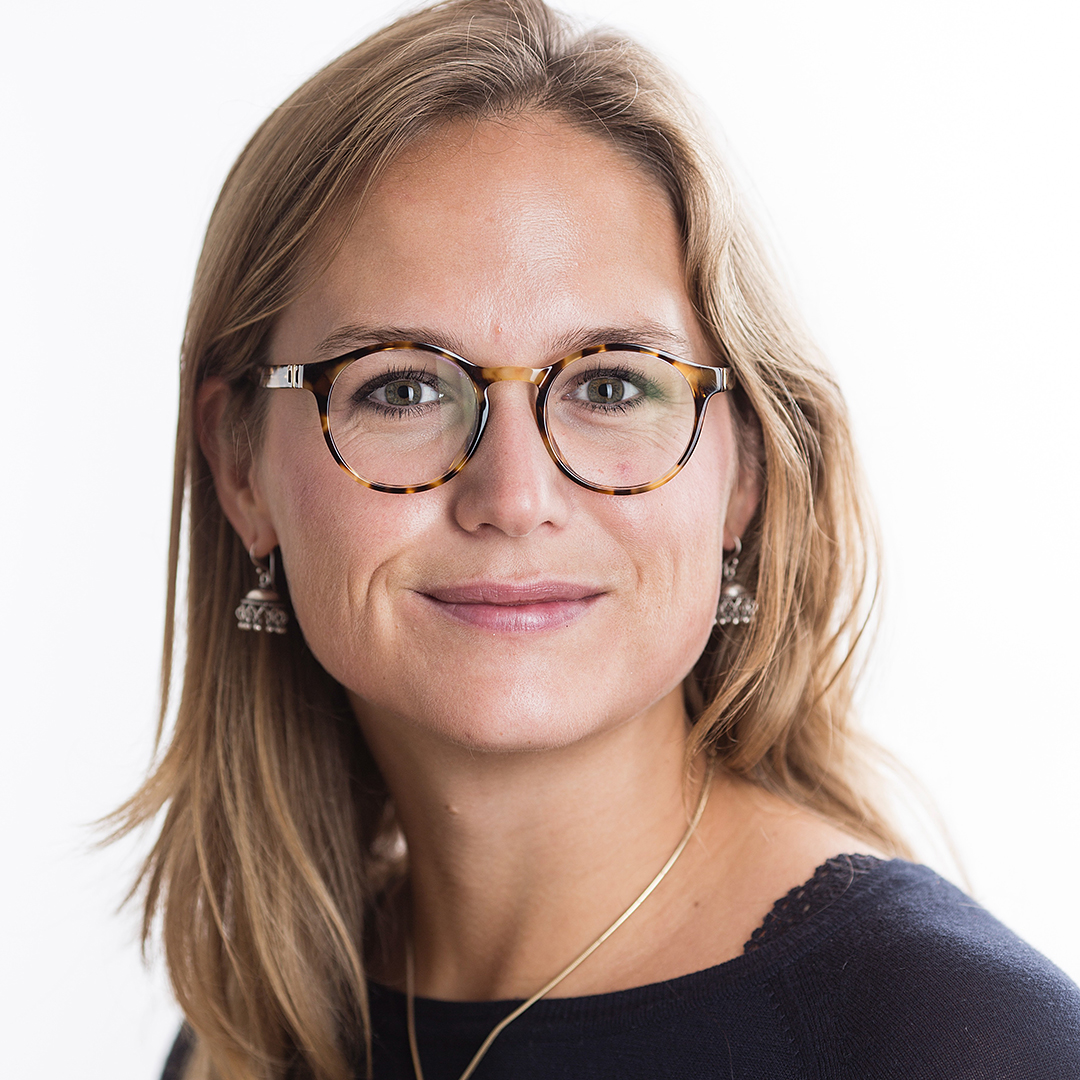
Tine Gade er seniorforsker i NUPIs forskningsgruppe for fred, konflikt og utvikling. Hun har en doktorgrad i statsvitenskap fra Institut d’Études Politiques (Sciences Po) i Paris. Arbeidet hennes fokuserer på urban sosiologi i Levanten, islamisme, voldelig ekstremisme, religionsstyring, sivilt-militære forhold, og rettsreform i Libanon, Syria, Irak og Saudi-Arabia. Hun har utført feltarbeid i Libanon (2008), Nord-Irak (2016), Saudi-Arabia (2023), og har også erfaring fra Syria og Egypt.
Hun har blant annet skrevet boken “Sunni City: Tripoli from Islamist Utopia to the Lebanese Revolution” (Cambridge University Press, 2022) og bidratt med kapittelet “How Lebanon’s security sector works amidst state collapse” i boken “Mediterranean Politics” (Mediterranean Politics, 2025) sammen med Kjetil Selvik og Khaled Zaza.
Gade er for tiden projektleder for prosjektet Reaksjoner på statlig regulering av islam i Daesh-tider (STATEISLAM), finansiert av Norges forskningsråds Forskerprosjekt for tidlig karriere (FRIPRO), som varer ut 2026. Hun deltar også i andre prosjekter, inkludert Russiske maktrepertoarer i MENA-regionen (RUSMENA).
Gade var tidligere postdoktor ved Max Weber ved European University Institute i Firenze og førsteamanuensis ved Institutt for kulturstudier og orientalske språk ved Universitetet i Oslo.
Ekspertise
Aktivitet
Filter
Tøm alle filtre
Lebanon poised at the brink
Gravely affected by the Syrian crisis, Lebanon has remained relatively stable against all odds – despite the influx of some 1.5 million Syrian refugees and an internal political crisis involving supporters of opposing Syrian factions. Lebanon’s resilience can be explained by the high opportunity cost of state breakdown for domestic, regional and international political actors. Moreover, international economic assistance, diaspora remittances and informal networks established by refugees help to prevent outright economic breakdown. However, stability remains extremely precarious. Primary tipping points include (1) an IS strategy to spread the conflict to Lebanon, with consequent disintegration of the army along sectarian lines, (2) democratic decline and people’s dissatisfaction, (3) Hizbullah’s domestic ambitions and Israeli fears over the group’s growing military powers and (4) the potential that frustration between refugees and host communities may erupt into recurrent violence. The slow economic and sanitary decline in the country (5), however, is considered the biggest challenge.
Alawittene i Tripoli og Nord-Libanon: Krigerske problemskapere eller truet minoritet?
Lebanon on the brink
Gravely affected by the Syrian crisis, Lebanon has managed to remain relatively stable against all odds – despite the influx of some 1.5 million Syrian refugees and internal political crisis involving actors who support opposing Syrian factions. Lebanon’s resilience can be explained by the high opportunity cost of state breakdown for domestic, regional and international political actors. Moreover, international economic assistance, diaspora remittances and informal networks established by refugees help to prevent outright economic breakdown. Yet, stability remains extremely precarious. Important tipping points include (1) the IS strategy of spreading the conflict to Lebanon, and the consequent disintegration of the army along sectarian lines, (2) democratic decline and popular dissatisfaction, (3) Hizbullah’s domestic ambitions and Israeli fears over the group’s growing military power and (4) the potential for frustration between refugees and host communities turning into recurrent violence. However, (5) the slow economic decline and the worsening sanitary conditions stand out as the greatest challenges.
Libanon på kanten av stupet
I kjølvatnet av Syria-krigen har Libanon mottatt 1,5 millionar flyktningar og blitt ein bufferstat mot IS. Kva forklarer landets robusthet mot valdsringverknader frå Syria?
Boklansering: Eksterne makter og den Arabiske våren
Kva rolle spelte stormaktene under den arabiske våren?
Vesten har feilet gjennomgående – og latt et utall muligheter gå fra seg | Tine Gade