Researcher
Morten Skumsrud Andersen

Contactinfo and files
Summary
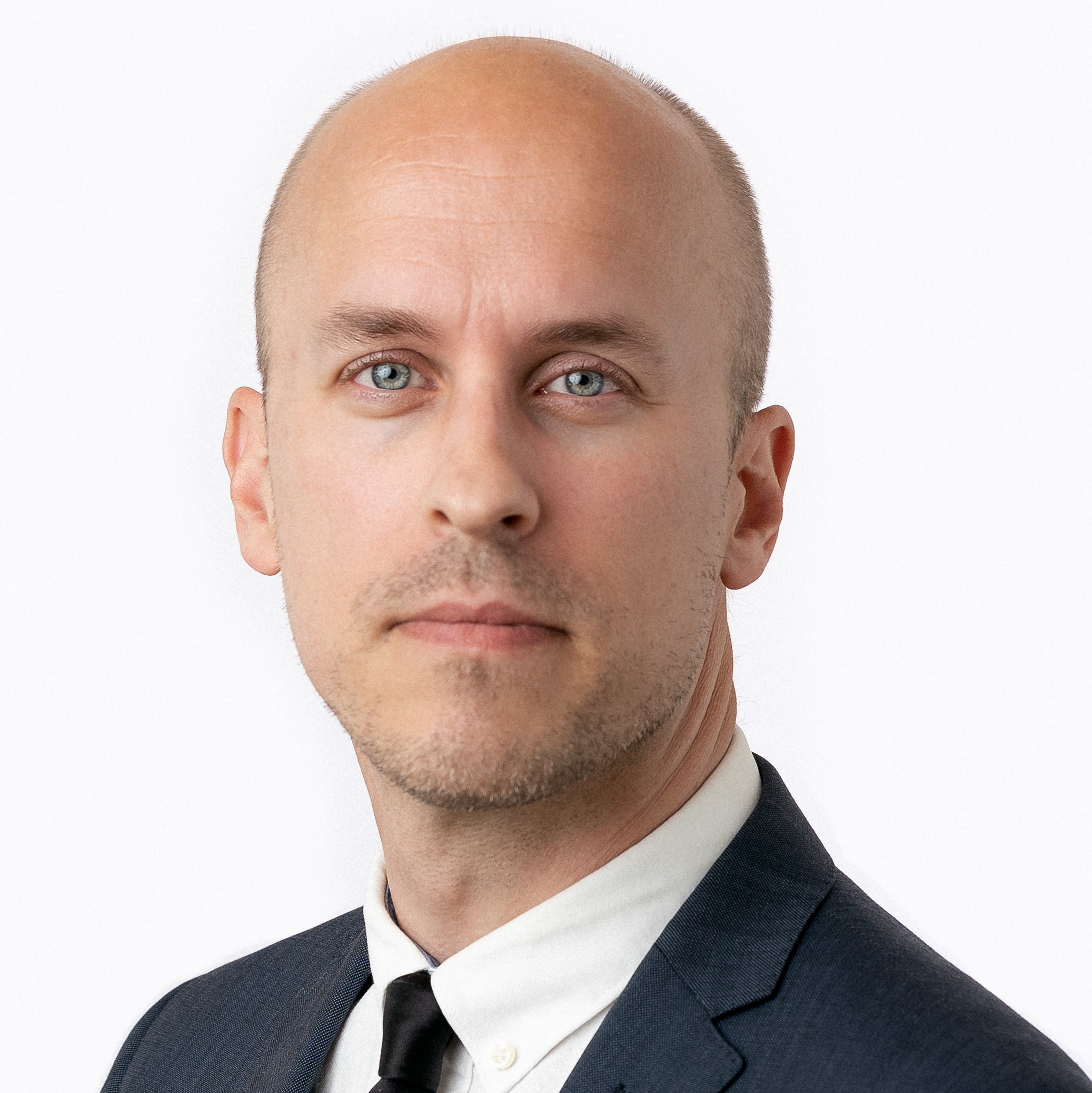
Morten S. Andersen is a Senior Research Fellow in the Research group on Global order and Diplomacy. In addition to a focus on theoretical and methodological aspects of International Relations, his research concerns how relations of power and dominance between states have evolved and been legitimated over time. In this, he focuses particularly on hierarchy and empires and on international conceptual history.
Selected publications:
(2026) “How Empires Emerge”, European Journal of International Relations.
(2025) “The Chinese are Coming! U.S. Think Tanks and the Belt and Road Initiative in the Middle East and North Africa”, with Neil Ketchley and Ole Jacob Sending, Review of International Political Economy.
(2025) “Anarchy is What the Balance of power Made of It: Two core concepts and the public/private distinction”, International Studies Quarterly, 69(3).
(2024) The Political Economy of National security, Critical Infrastructure and Securitization of Foreign Investments. Palgrave McMillan. Ed., with Jakub Godzimirski.
(2022) “The unsolicited rocket: a story of science, technology, and future wars”, Critical Military Studies. With Erik Reichborn-Kjennerud.
(2021) Undermining American Hegemony. The Logic of Goods Substitution in World Politics. Cambridge: Cambridge University Press. Ed., with Alexander Cooley and Daniel Nexon.
Expertise
Education
2016 PhD, The London School of Economics and Political Science (LSE). Title of PhD thesis: A genealogy of the balance of power.
2008 MSc International Relations; London School of Economics
2006 Bachelor in international politics, University of Oslo/Universidad Externado de Colombia
2003 Latin American studies, Universidad de Costa Rica
Work Experience
2022-2025 Head of the Research Group on Global Order and Diplomacy, NUPI
2008- Research fellow/Doctotal Research Fellow/Senior Research Fellow, NUPI
Aktivitet
Filter
Clear all filters
Chinese Anger Diplomacy (ANGER)
Do liberal-democratic states yield to public criticism by China? ANGER approaches this question by focusing on China's use of "anger diplomacy" - public, vehement displa...
Mekanismer for screening av utenlandske investeringer. Oversikt over et utvalg land
Etter tusenårsskiftet har åpne økonomier i økende takt satt i gang prosesser for å vurdere risikoen av utenlandsinvesteringer. Bakgrunnen for dette er økende grad av investeringer fra mindre transparente økonomier, frykt for svekket konkurranse blant internasjonale aktører, samt teknologiske endringer som kan gjøre stater mer utsatte. Dette har blant annet fått EU til å vedta en regulering som etablerer et rammeverk for screeningmekanismer (Regulation (EU) 2019/452). Utviklingen de seneste årene - og særlig i løpet av COVID-19 pandemien - er at slike mekanismer ekspanderer, blir mer detaljerte og permanente, og omfatter større deler av økonomien, med lavere terskelkriterier og dermed et økende antall transaksjoner som screenes.
Norsk eierskapskontroll kan avskrekke utenlandske investorer
Som et relativt lite og åpent land mottar Norge mange utenlandske investeringer. Noen av disse kan skape sikkerhetsutfordinger. «Vi anser dette som en avtale om salg mellom to kommersielle aktører, noe departementet ikke skal eller bør blande seg i», uttalte Næringsdepartementet om at et russisk selskap ville kjøpe den norske bedriften Bergen Engines. Forsvarsdepartementet sa først at sikkerhetsloven ikke var gjeldende, men så snudde de. Nå jobber flere departementer med saken. Dette viser hvor krevende det er å balansere sikkerhetsinteresser og gevinstene av en åpen økonomi.
The Nordic shift: China’s uphill battle for public approval in northern Europe
A recent survey shows that even the champions of free trade in Europe’s high north are reassessing their approach to Chinese investment.
Common Fears, Common Opportunities? Czechia and Norway in the changing international context
With long-dominant structures in flux, European states – and perhaps smaller ones in particular – are now forced to rethink their foreign policy approaches and practices. This policy briefs outlines how one small Northern European state, Norway, and one Central European state, Czechia, assess and respond to a changing international political context. While located in different geopolitical settings, and with different histories, political systems and resources at their disposal, Norway and Czechia operate under many of the same international framework conditions. How are Norwegian and Czech officials and policy makers evaluating contemporary developments? What do they identify as the key fears to which they must respond? Which partners and institutional structures have they traditionally relied on – and what indications of change (if any) can we now observe? We find that Norway and Czechia face many common fears – from concerns about the international order and their global sense of place, to challenges to key institutions such as NATO and the EU, and concerning specific issues such as climate change, energy security, territorial security, and how to best respond to migration. We argue that these common fears could provide a springboard to greater cooperation that can diversify Czechia and Norway’s support networks and entrench a greater sense of international belonging for both countries.
Holdninger til utenlandske investeringer fra Kina i de nordiske land
How does the Nordic public view foreign investments? Does the country of origin for such investments matter for the public? Would the public be more critical of investments into certain sectors of the economy, whilst being less critical to foreign investments in others? This essay presents the results from an extensive survey of public opinion conducted across all the Nordic countries.
Roads to Power? The political effects of infrastructure projects in Asia (ROADS)
Does investing in infrastructure in another country generate increased political influence? ROADS seeks to answer this question by zooming in on China’s global infrastructure role and ...
Consequences of Investments for National Security (COINS)
How can liberal open societies reap the benefits of open economies, but at the same time protect their legitimate security interests? In the project “Consequences of Investments for Na...