Researcher
Karsten Friis

Contactinfo and files
Summary
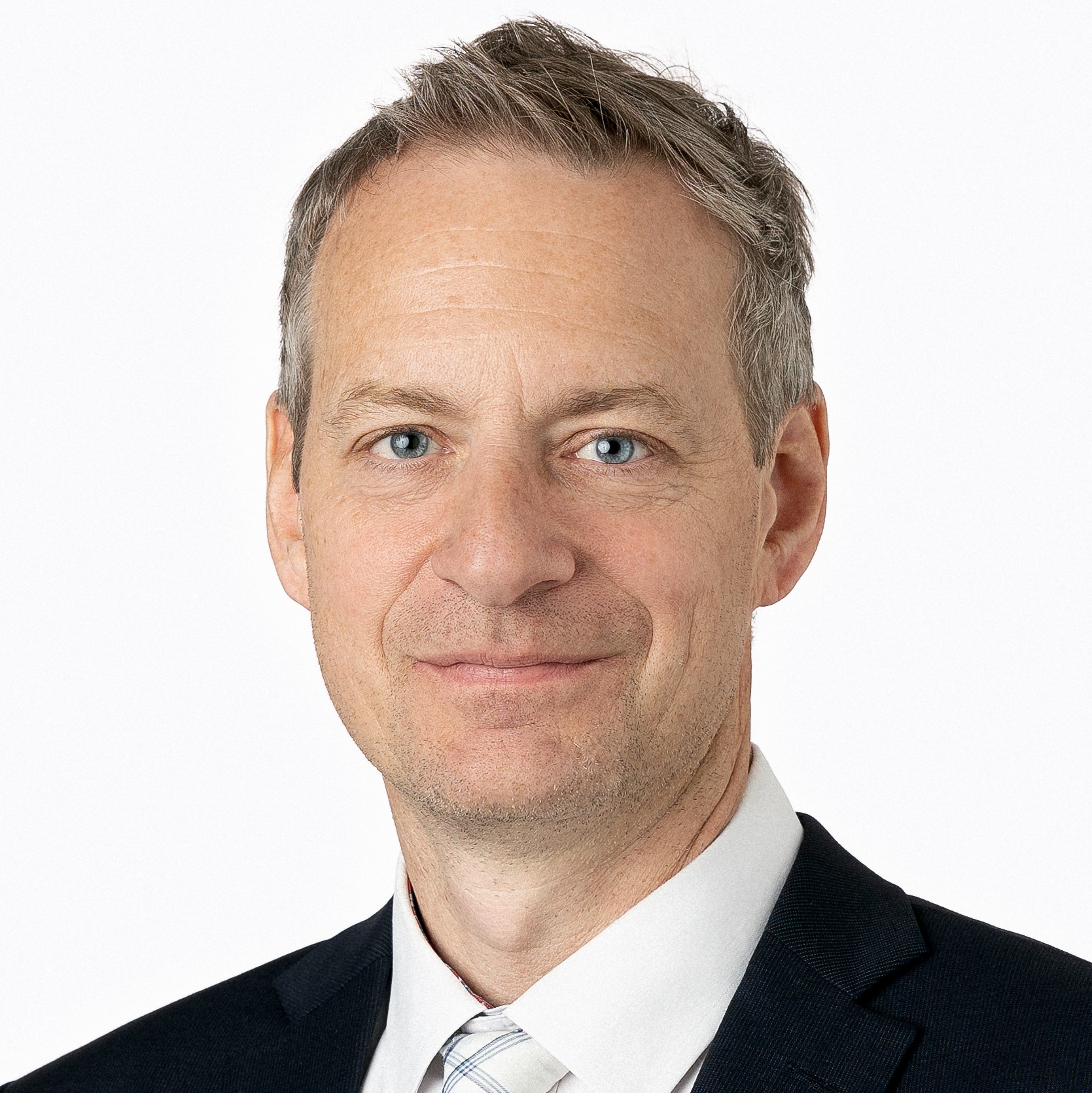
Dr. Karsten Friis is a Research Professor in NUPI's Research group on security and defence. He is on leave from September 25, 2026.
His research area is security and defense policies in Europe, with an emphasis on NATO, the Nordic region, the Arctic, transatlantic relations, intelligence, cyber security and the Western Balkans. He has published and led several major projects on these topics. Friis is also a frequently used commentator in the public discourse - not least in relation to Russia’s war against Ukraine.
Friis is a political scientist with a PhD from the University of Groningen, a Cand. Polit from the University of Oslo and an MSc from the London School of Economics. Friis has been associated with NUPI since 2007. Before that, he was a political adviser to the OSCE Mission to Serbia (2004 to 2007), the OSCE in Montenegro (2001) and in Kosovo (1999). Friis was also part of the EU's negotiating team for the referendum on independence in Montenegro in 2006. In addition, Friis has worked for several years in the Norwegian Armed Forces and served at NATO/KFOR in Kosovo.
Expertise
Education
2018 PhD, University of Groningen
1998 Cand Polit, Political Science, University of Oslo
1995 Master, International Relations, London School of Economics
Work Experience
2007- Senior Research Fellow/Senior Advisor/Advisor, NUPI
2004-2007 Political advisor for OSCE, Serbia/Montenegro
2001-2004 Advisor, the Norwegian Armed Forces
2000-2001 Political advisor, OSCE, Montenegro
1999-2000 Analyst/E-off, NATO/KFOR HQ, Kosovo
1999 OSCE Kosovo Verification Mission
Aktivitet
Filter
Clear all filters
Arctic ambitions: Norway’s new High North strategy
How does the new Norwegian High North strategy situate Norway and its northernmost countries in Arctic and global politics? What are the new prior...
From ability to defend to willingness to defend – What can Norway learn from Ukraine?
What does it take to create a willingness to defend your country? ...
Breakfast seminar: Why America Needs Europe
Is the Western alliance drifting apart, or is it growing stronger?
Europe must take responsibility in Ukraine
US efforts to mediate negotiations between Russia and Ukraine have stalled. Russia has reiterated its unrealistic demands and rejected the ceasefire proposed by Ukraine and the United States. With Donald Trump unwilling to exert pressure on Moscow, the process has effectively collapsed. Europe must now assume a leadership role in shaping a coherent strategy to counter Russian expansionism. This strategy must ensure not only that Ukraine does not lose the war, but that it succeeds in defending the security, political stability, and future development of the entire European continent. Ukraine cannot be expected to shoulder this burden alone – a shared destiny binds Europe and Ukraine together.
Trump 2.0 og internasjonal politikk
I denne spesialrapporten har Senter for geopolitikk samlet en rekke bidrag fra forskere tilknyttet senteret, fra Fridtjof Nansen Institutt, Institutt for Forsvarsstudier, Universitetet i Oslo, UiT – Norges Arktiske Universitet og Norsk Utenrikspolitisk Institutt. Bidragene setter søkelys på noen konkrete temaer som inntak til å forstå et USA i endring og hva det vil kunne bety for andre stater, og for utviklingen på konkrete politikkfelt. Rapporten har særlig fokus på hva disse endringene, hver for seg og samlet, betyr for Europa og Norge. En oppdatert versjon ble publisert 12.06.25, klokken 12.40.
Transatlantic security in times of trouble
The American security guarantee to Europe appears to be less iron clad than it used to be. The Trump administration seeks to shift military assets...
Arctic Spillover? Military Signalling in the European Arctic Before and After the Full-Scale Invasion of Ukraine
How has Russian and Western military activity in the European Arctic evolved following Russia’s 2022 full-scale invasion of Ukraine? Are we seeing a more forward-leaning and assertive Russia, and have NATO allies strengthened their presence? In short, are we seeing an intensified mutual deterrence posture? These crucial questions are made all the more pressing by the region hosting a significant proportion of Russia’s sea-based strategic nuclear arsenal. Against this backdrop, the article analyses developments in both Russian and Western military activity in the European Arctic, with a particular focus on how deterrence is signalled through military posture. The study finds that, despite claims to the contrary, military day-to-day business in the European Arctic remains relatively unchanged. Russia’s activities appear to signal a desire to maintain the status quo rather than revisionist stance. While the West has strengthened its deterrence signalling, its posture remains measured.
Norwegian Security Policy: Strategic Choices and Dilemmas in a Time of Turbulence
The project examines how Russia’s war against Ukraine, increased great power rivalry, and uncertainty among allies are shaping Norwegian security policy, and how Norway should adapt to...