Researcher
John Karlsrud

Contactinfo and files
Summary
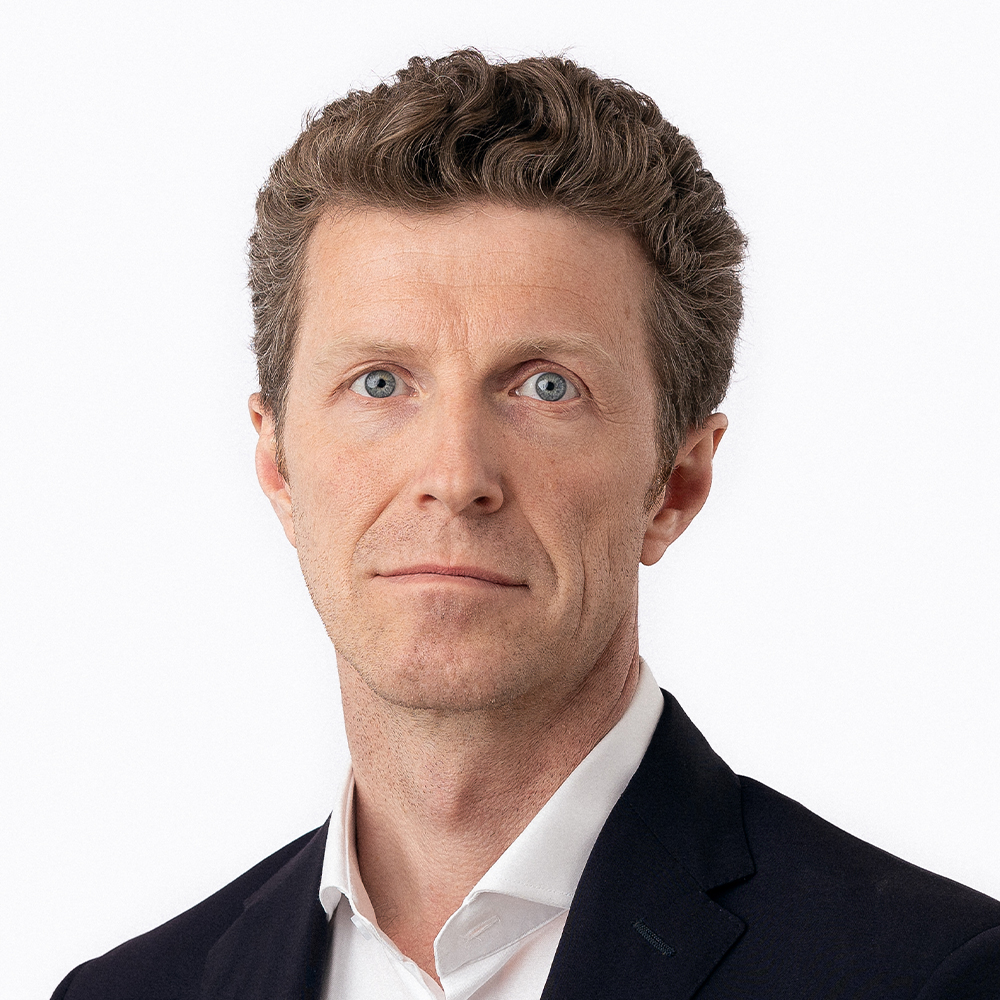
John Karlsrud is a Research Professor in the Research group on peace, conflict and development, where he works on coalitions in international security, UN peacekeeping as well as issues related to change in global governance more broadly. He has published a number of books, articles and policy reports on these topics.
Karlsrud earned his PhD at the University of Warwick, and has been a Visiting Fulbright Fellow at the Center on International Cooperation at New York University and a visiting fellow at the European University Institute. He has worked in Bosnia and Hercegovina, Chad, Palestine (West Bank), Norway and USA, and conducted field research and shorter missions to Haiti, Iraq, Liberia, Mozambique, Serbia, Sierra Leone, South Sudan and Ukraine.
Expertise
Education
2014 Senior Executive Course 13, Norwegian Defence University College, Aug-Nov 2014
2010-2014 Ph.D., Politics and Internationals Studies, University of Warwick. Title: Linked Ecologies and Norm Change in United Nations Peacekeeping Operations
2005 Master of Peace and Conflict Studies / International Affairs with Distinction Joint Master from Institute for Graduate Studies in International Affairs, Australian National University and the Peace Research Centre of Oslo
Work Experience
2020- Head of the Reserach group on peace, conflict and development
2015- External Associate, Centre for the Study of Globalisation and Regionalisation, University of Warwick 2015 Fulbright Visiting Fellow, Center on International Cooperation, New York University
2012 Lecturer, IR Master
2010- Programme Manager and Senior Research Fellow at Norwegian Institute of International Affairs (NUPI)
2010- Senior Research Fellow, NUPI
2008-2010 Special Assistant to the Special Representative of the Secretary General (SRSG), United Nations Mission in Chad and the Central African Republic (MINURCAT), Chad
2006-2008 Policy and Strategy Analyst, Strategic and Regional Initiatives Unit (SRIU), Regional Bureau for Africa (RBA), UNDP New York HQ
2005-2006 Researcher and Assistant to the Managing Director, Fafo Institute for Applied International Studies (AIS)
2002-2003 Liaison and Operations Officer for NATO in Bosnia and Hercegovina (BiH), seconded by the Norwegian Army
Aktivitet
Filter
Clear all filtersFrom European Coalitions to a European Security Council
In the past years, coalitions have become the standard response to move forward when consensus is proving too time-consuming. John Karlsrud and Yf Reykers argue in this brief that it is time to move from coalitions to a European security council, making the European institutional architecture again fit for purpose.
Norsk forsvarsvilje og forsvarsevne: Hva kan vi lære fra Ukraina?
Hva skaper forsvarsvilje og hvordan vedlikeholdes den? Russlands angrepskrig i Ukraina og hvordan Ukraina har maktet å stå imot gir oss et unikt vindu for å undersøke og forstå disse spørsmålene. I denne rapporten benyttes nylig innsamlede data fra Ukraina for å kartlegge og forstå grunnlaget for Ukrainas forsvarsvilje. Dette gjennomgås i rapportens første del. I den andre delen brukes dataene fra Ukraina til å diskutere hva dette innebærer for norsk forsvarsvilje. Hvilke av erfaringene og lærdommene fra Ukraina er relevante for Norge? Hva er grunnlaget for norsk forsvarsvilje og hvilke utfordringer står Norge ovenfor når forsvarsviljen ikke bare må opprettholdes, men også styrkes?
Resilience and resistance in times of war
What are people willing to do, and to accept, when war becomes everyday life? This seminar will look closer at civilian resilience in Ukraine and what Total Defence will ask of Norway.
NATO 3.0 and the role of Ukraine
The European pillar in NATO is strengthened as US is gradually withdrawing its support to security on the continent. What part will Ukraine play?
From spending to delivery: Coalition-based governance to scale Europe’s defence industry at speed
Europe’s defence landscape is entering a new and decisive phase – not only in spending, but in how spending is translated into capability. After years of underinvestment, governments are now committing resources at levels once deemed politically impossible, driven by Russia's threat and shifting US priorities. In this brief, we argue that the current model underpinning European defence procurement, production and innovation is ill-suited to a rapidly evolving threat landscape. Instead, Europe needs a governance model built for speed, flexibility and scale.
New frontiers of diplomacy: Building relationships with uncomfortable actors in a changing world
What constitutes effective and reliable diplomacy in today's world?
Search costs in global governance
To navigate global governance, policymakers need to adjudicate how they should allocate their scarce resources to organizations and networks that can best fulfill specific governance tasks. Given growing regime complexity, and the rise of private transnational regulatory organizations in multiple issue areas, policymakers are faced with a task that is insufficiently captured in existing research on global governance. It concerns the need to identify and assess which governance options, offered by what actors, are best suited to advance a particular set of interests. These interests are not limited to considerations of what is the most effective governance solution, but also include “political” interests in maintaining alliances and status hierarchies in terms of deciding on who to govern with. On this basis, we suggest that in addition to the conventional focus on sunk-, transaction-, and opportunity costs, what we call “search costs” are growing in importance for policymakers: Policymakers can rely less on publicly mandated intergovernmental organizations (IGOs) with control over an issue-area and must identify and assess different governance options provided by IGOs, NGOs, private regulatory actors. In so doing, both considerations of legitimacy (e.g. multilateral v minilateral models) and effectiveness (e.g. hard v soft governance models) as well as alliances and partners must be considered. We outline our search costs framework and provide examples of the hidden (search) costs of global governance and identify why it matters. For scholars, it is important to understand what increased complexity entails for states. For policy-makers it is important to strengthen awareness and develop frameworks that can aide in assessing and choosing best-fit governance arrangements that match both concerns with effectiveness and legitimacy, as well as status-concerns and alliances.
Regional organizations, global governance and the EU
The US is distancing itself from institutions it has been central in establishing, and recent crises like COVID-19, the Russia-Ukraine war, and the Gaza conflict have raised critical questions about the future direction of international cooperation and global governance. This report sheds light on the role of regional organizations as a key component of global governance. It offers detailed analyses of the historical evolution and contemporary functioning of key regional organizations and discuss their role in fostering multilateral decision-making.