Forsker
Niels Nagelhus Schia

Kontaktinfo og filer
Sammendrag
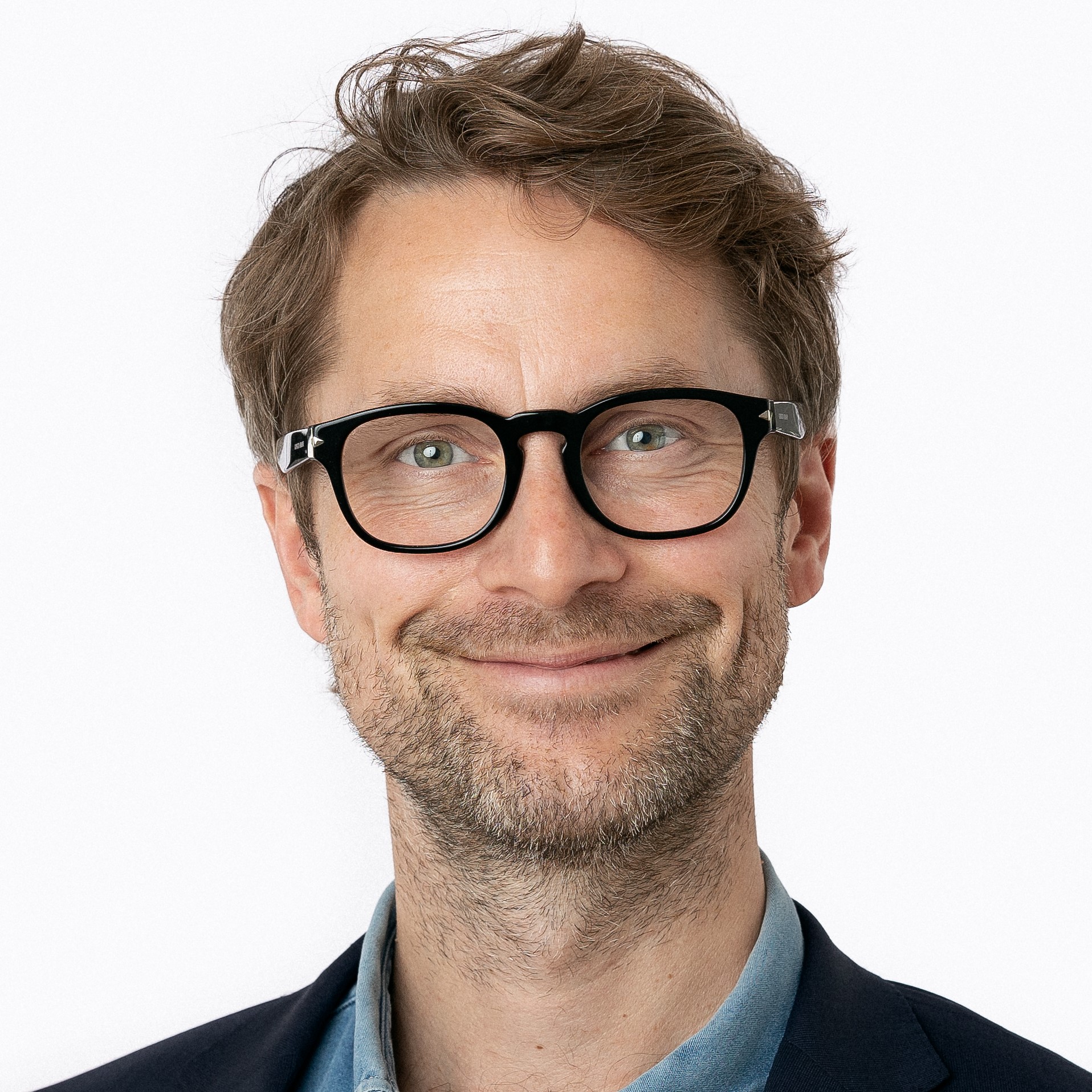
Niels Nagelhus Schia (PhD fra Universitetet i Oslo) er forsker 1 ved NUPI, hvor han over flere år har fordypet seg i spørsmål som omhandler global styring, internasjonale organisasjoner, og statsbygging.
Niels Nagelhus Schia er forskningsprofessor med spesialisering i skjæringspunktet mellom ny teknologi og internasjonale relasjoner. Han leder Forskningsgruppen for sikkerhet og forsvar ved NUPI, og han er også medleder i instituttets senter for forskning på ny teknologi. Med en doktorgrad i sosialantropologi fra Universitetet i Oslo og et gjesteforskeropphold fra New School for Social Research (NSSR), kombinerer Schia akademisk innsikt med praktisk erfaring innen global og nasjonal politikkutforming.
Schia har ledet initiativer som den norske regjeringens ekspertgruppe for kunstig intelligens, demokrati og valg (2024–2025). Han var koordinator for referansegruppen om Norges rolle i FNs sikkerhetsråd (2021–2022), og han har vært prosjektleder for flere større forskningsprosjekter. Han er også en aktiv bidragsyter til internasjonale konferanser, diskusjoner i FN og ulike arbeidsgrupper.
Utover forskningen er Schia dypt engasjert i å forme den globale akademiske og politiske arenaen. Han var medredaktør for Internasjonal Politikk, det ledende skandinaviske tidsskriftet om internasjonale relasjoner, i nesten et tiår (2017–2025). Han er medlem av Holberg-debattens arbeidsgruppe, og fagrådet til FN-sambandet. Schia er ogsåtidligere Fulbright-stipendiat og styremedlem i Fulbright Association i Norge og andre fora dedikert til å fremme kunnskap og dialog innen sitt felt.
Ekspertise
Utdanning
2015 Doktorgrad, sosialantropologi, Universitetet i Oslo
2004 Cand.polit., Universitetet i Oslo, Sosialantropologi
Arbeidserfaring
2022- Leder, Forskningsgruppen for sikkerhet og forsvar
2017- Redaktør for Internasjonal Politikk - Skandinavisk Tidsskrift for Internasjonale Studier.
2015- Leder, NUPIs Forskningssenter på cybersikkehet.
2010 Gjesteforsker ved The New School for Social Research, New York, Leiv Eirikson mobilitetsprogram (Norges forskningsråd), og Fulbright scholar.
2009 Rådgiver, Civil Affairs, Policy Best Practices Services (PBPS), UN Department of Peacekeeping Operations, New York.
2003- Forsker 1 / Seniorforsker / Forsker / Vit. ass., NUPI.
-----
2012-2016 Styremedlem Fulbright Alumni Association of Norway.
2013-2016 Leder, vitenskapelig komité for Fulbrights årlige forskningspris.
Aktivitet
Filter
Tøm alle filtre
Status and sovereign equality: Small states in multilateral settings
In this chapter, we explore Norwegian UN policy, arguing that it is a central arena for Norwegian efforts to be recognized by others. Our focus on Norwegian UN policy is not an end in itself, but a means to develop a more general argument about status seeking behaviour in a multilateral setting. We argue that status seeking in multilateral settings is distinct from status seeking in other settings, and that this stems from the norms of reciprocity and rulebased cooperation in such settings. Multilateral settings put a premium on behaviour that is in keeping with a commitment to the furtherance and expansion of the rules established by multilateral cooperation and organizations. Certain types of behaviour or role, rather than certain types of resources, can accord status. Norway has specialized in one distinct ‘role’: that of being a team-player, a facilitator – an actor that can be relied upon to take on the burden of doing things in which it has no identifiable direct stake or interest. A case in point is the UN request as to whether Norway could shoulder the responsibility for destroying Syria’s chemical weapons. We conclude the chapter by suggesting that the role developed in multilateral settings has so pervaded Norwegian diplomatic tradition that it is present in bilateral settings as well. We proceed as follows. We first elaborate briefly on the editors’ introduction and highlight how status seeking is reflected in the skills and diplomatic forms that are valued in different settings. We then briefly describe overall Norway’s UN policy, with a few examples of what a status-based reading of this policy can tell us about Norwegian foreign policy, and about multilateralism as a distinct arena for status seeking. Next, we present the specific manifestations of their distinctiveness of multilateral settings, and link this to Norwegian diplomats’ self-understandings and conceptions of what characterizes a good diplomat: the ability to be tapped into what is going on in an effort to present oneself with resources that can be put to good use on issues in which Norway may often not have any distinct or direct stakes. This tendency to stress the role as ‘helper’ is most pronounced in relation to issue-areas where the USA has vital interests, and is less so where less powerful states are concerned. Thus, power differentials play a central role also in multilateral settings, where it matters who is the demandeur for the tasks to be undertaken.
Connections and Disconnections: Understanding and Integrating Local Perceptions in United Nations Peacekeeping
Being Part of the Parade - "Going Native" in the United Nations Security Council
"Where the Rubber Meets the Road": Friction Sites and Local-level Peacebuilding in Haiti, Liberia and South Sudan
Horseshoe and Catwalk – Power and Complexity in the United Nations Security Council
Land of confusion - protection of women and children in Liberia