Forsker
Cedric H. de Coning

Kontaktinfo og filer
Sammendrag
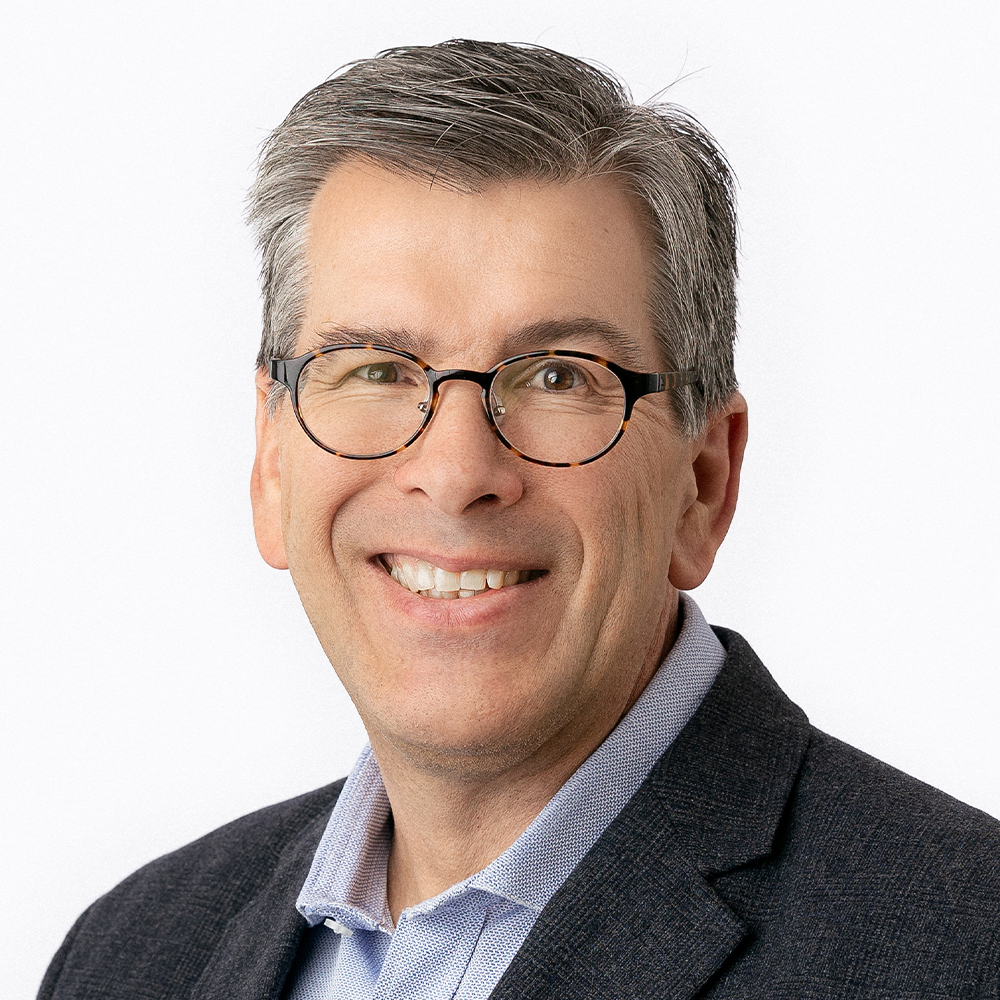
Cedric de Coning er forsker 1 i Forskningsgruppen for fred, konflikt og utvikling ved Norsk utenrikspolitisk institutt (NUPI).
Han forsker på hvordan FN og andre multilaterale institusjoner bedre kan bidra til varig fred og sikkerhet, særlig gjennom mekling, fredsoperasjoner og fredsbygging. Med utgangspunkt i kompleksitetsteori har han utviklet Adaptive Peace (adaptiv fred), et rammeverk for å opprettholde fred og sikkerhet i en stadig mer urolig og uforutsigbar verdensorden.
Ved NUPI leder han flere internasjonale forskningsprosjekter om klima, fred og sikkerhet, om kunstig intelligens i freds- og sikkerhetsarbeid og om hvor godt fredsoperasjoner virker. Han bidrar også i programmet Training for Peace og i prosjektet UN Peace and Stabilisation Operations.
De Coning er seniorrådgiver for den sørafrikanske organisasjonen ACCORD og sjefredaktør for tidsskriftet African Journal on Conflict Resolution. Han har bakgrunn som sørafrikansk diplomat og har tjenestegjort i FNs fredsbevarende styrker. Han har hatt flere rådgiverroller for Den afrikanske union og FN, blant annet i FNs generalsekretærs rådgivende styre for FNs fredsbyggingsfond.
Ekspertise
Utdanning
2012 PhD, Applied Ethics, Department of Philosophy, University of Stellenbosch
2005 M.A., Conflict Management and Peace Studies, University of KwaZula-Natal
Arbeidserfaring
2020- Forsker I, NUPI 2012-2020 Seniorforsker, NUPI
2006-2012 Forsker, NUPI
2002- Seniorrådgiver (konsulent), ACCORD
2002 Opplæringsrådgiver, FNs avdeling for fredsbevarende operasjoner (DPKO)
2001-2002 Politisk rådgiver, FNs spesialutsendings kontor (Office of the Special Representative of the Secretary-General, SRSG), FNs overgangsmyndighet i Øst-Timor (UNTAET)
1999-2001 Civil Affairs Officer for FNs overgangsmyndighet i Øst-Timor (UNTAET)
2000 Assisterende direktør, ACCORD
1997-1999 Leder for ACCORDs fredsbevaringprogram
1988-1997 Sør-Afrikas utenriksdepartement
Aktivitet
Filter
Tøm alle filtreAdaptive peacebuilding
International peacebuilding is experiencing a pragmatic turn. The era of liberal idealism is waning, and in its place new approaches to peacebuilding are emerging. This article identifies one such emerging approach, gives it a name—adaptive peacebuilding—and explores what it may be able to offer peacebuilding once it is more fully developed. It builds on the knowledge generated in the fields of complexity, resilience and local ownership, and may help inform the implementation of the emerging UN concept of sustaining peace. It is an alternative to the determined-design neo-liberal approach that has dominated peacebuilding over the past three decades. It represents an approach where peacebuilders, working closely together with the communities and people affected by conflict, actively engage in structured processes to sustain peace by using an inductive methodology of iterative learning and adaptation. The adaptive peacebuilding approach embraces uncertainty, focuses on processes rather than end-states, and invests in the resilience of local and national institutions to promote change.
Korleis slapp Kina unna fattigdomsfella?
Korleis endrar organisasjonar seg effektivt for å takle skiftande miljø? Yuen Yuen Ang ser på ein ny måte å tenkje rundt auka tilpassingsevne på, med døme frå Kina.
The Challenge of Sustaining Peace: Enhancing and Moving Beyond the United Nations' Peacebuilding Architecture
The Role of the Civilian Component in African Union Peace Operations
The role of civilians in African Union (AU) peace support operations (PSOs) is still not fully understood. As a result, civilian capacity development has not been well resourced in comparison with the military and police dimensions of the African Standby Force (ASF) and has only modestly developed since 2006. As at the end of 2016 the AU has deployed approximately 400 civilians across its PSOs in Burundi, the Central African Republic (CAR), Mali, Somalia and Sudan. The average size of the actual civilian component in each mission totalled approximately fifty people. The civilian components most commonly found in AU PSOs are Political Affairs, Human Rights and Protection, Public Information, Humanitarian Liaison, Safety and Security, Civil Affairs, Gender and Mission Support. Despite AU policies and PSO doctrine, the value of a multidimensional approach to PSOs, and the role that civilians perform in this larger context, is not widely recognised in the AU Commission, AU PSOs or among the AU’s key PSO partners. The AU has struggled to articulate clearly why it needs a multidimensional approach, what the function and contribution of the civilian components are, and how the civilians staff contribute to achieving the mandate of a particular mission. This will have to change if the AU is serious about undertaking comprehensive stabilisation operations.
Une volonté partagée de façonner un nouvel ordre mondial
(Kun tilgjengelig på fransk): In the West, the rise of nationalist populism reached a tipping point in 2016 when it generated both the UK vote for Brexit and the election of President Trump in the US. In contrast, over the same period, the BRICS have invested in strengthening inter-BRICS cooperation and the group’s commitment to the United Nations, global governance and economic globalisation. Their primary focus has been on financial, trade and economic cooperation. However, their ability to develop a shared analysis of the political and security dimensions of the global order seems to have come to a turning point in 2017, when they opted to focus their annual Summit on developing strategies to defend global governance, economic globalisation, free trade, and joint action on climate. How did we get to the point where it seems to be up to the BRICS to rescue globalisation ?
Support to UN Peace Operations: Ensuring More Effective UN Peace Operations (UNPO)
UNPO-prosjektet målsetter seg å styrke FNs fredsbevarende operasjoner og andre fredsoperasjoners evne til å håndtere globale sikkerhetsutfordringer, tilpasse seg en global orden i endr...