Forsker
Morten Bøås

Kontaktinfo og filer
Sammendrag
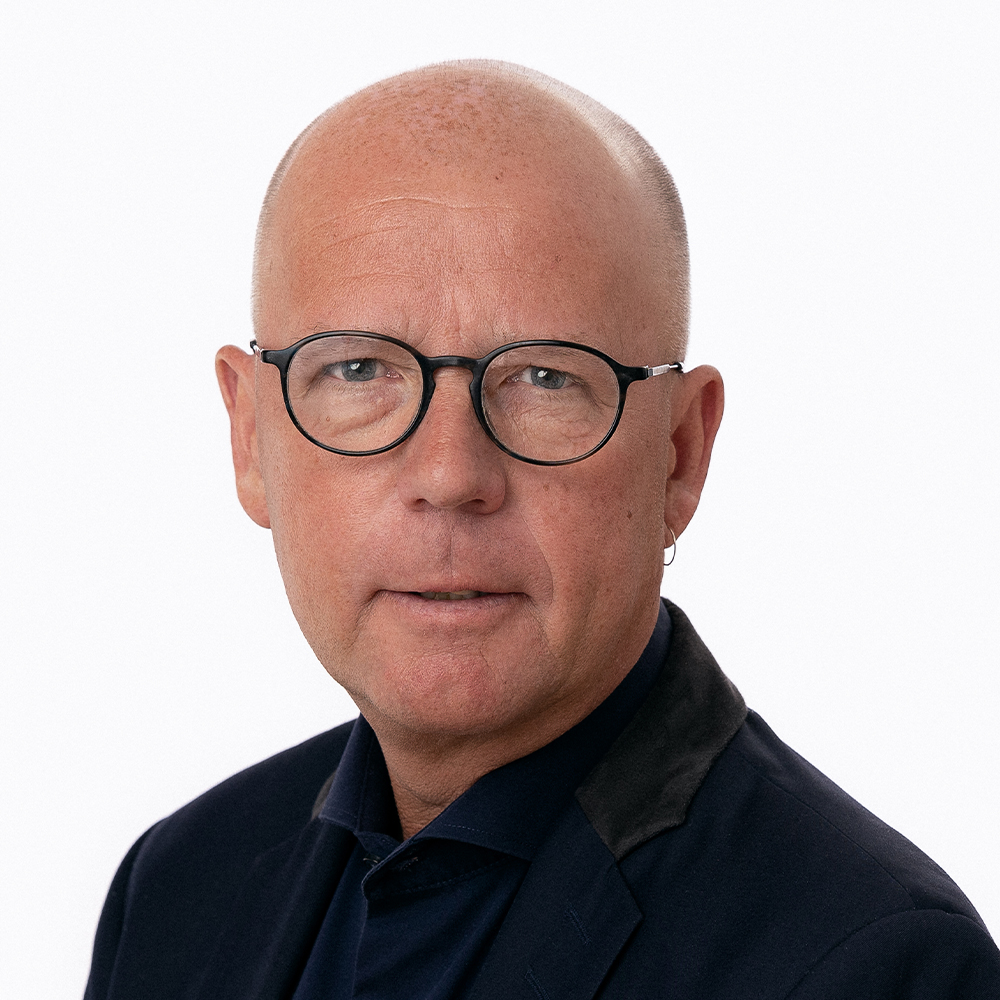
Morten Bøås (PhD) er seniorforsker og jobber i hovedsak med tema knyttet til fred og konflikt i Afrika, inkludert problemstillinger som landrettigheter og statsborgerskapkonflikter, ungdom, eks-stridende og det nye landskapet som tegner seg med hensyn til opprør og geopolitikk.
Bøås har forfattet og redigert en rekke bøker og artikler i akademiske tiddskrifter. Han har gjort dyptpløyende feltarbeid i en rekke afrikanske land.
Ekspertise
Utdanning
2001 Dr.Polit. (Ph.D) i statsvitenskap, Universitetet i Oslo
1995 The CRE/Copernicus Seminar on Environmental Law
1994 Cand.Polit. i statsvitenskap, Universitetet i Oslo
Arbeidserfaring
2013- Seniorforsker, NUPI
2010-2012 Forskningssjef, Fafo Institutt for anvendte internasjonale studier as
2002-2010 Forsker, Fafo
Aktivitet
Filter
Tøm alle filtreWars and Warlords
The debate about war in African studies has gone through a number of important changes. Until the end of the Cold War, African wars were often fueled by super-power competition. After the end of the Cold War most were either solved peacefully or simply collapsed as external support dried up. Some, however, continued, such as the Lord’s Resistance Army war, and new ones emerged. One was the intertwining of civil wars in West Africa’s Mano River Basin. Another was created by the collapse of the Mobutist state in Zaire that drew in a number of neighboring countries. Lately the Sahel is also experiencing a similar trend. During the Cold War, conflict in Africa was often referred to as “war by proxy,” in reference to external factors as important causes of conflict. After the end of the Cold War, much more emphasis has been placed on internal factors, first ethnicity and later the so-called greed and grievance debate. The approach to the warlord concept in African studies is closely tied to these debates. In general terms, a warlord is an individual who has control over an area because this person commands armed forces that are loyal to the warlord. A precise definition of this phenomenon is therefore available. The challenge, however, is that this term almost automatically brings forth powerful images of rape, loot, and plunder committed by heavily armed, thuggish-looking men. Contrary to the relatively sober academic debate about wars and warlords elsewhere in the world, the debate about warlords in Africa has tended to be extremely politicized and used to name and shame specific persons. Until the early 1990s, the warlord concept was used sparsely in African studies, but then it became more prevalent, promoted by debates about the civil wars in the Mano River Basin, where influential scholars such as Paul Collier argued that African civil wars were driven by greed and not grievances. Soon, the warlord label was attached to almost all conflicts on the continent. However, this also led to the emergence of a counterdebate that questioned the validity of greedy warlords as explanatory factors and argued for a multidimensional approach that also took into consideration social, political, and historical factors. The outcome was a much more nuanced but also diverse debate, where many of the most prominent scholars question the usefulness of the warlord concept.
Negotiating justice: legal pluralism and gender-based violence in Liberia
The plural legal system in post-conflict Liberia expresses tensions between modern and customary institutions. This article seeks to understand how Liberians navigate choices in the plural legal system to address gender-based violence cases. By asking how and why people make the choices they do, we highlight how Liberians solve tensions between institutions, by creating flexible categories that allow them to pursue a course of action that does not compromise their ability to access social networks and resources.
Syria-konflikten: Stormaktspolitikk og humanitære konsekvensar
Over 400 000 menneske er drepne i Syria-konflikten. Fleire enn 11 millionar har måtta forlate heimane sine. Dette NUPI-seminaret vil sjå på Syria-konflikten frå ulike perspektiv - frå geopolitiske krefter til humanitære konsekvensar og synspunkt frå syrarar som flykta frå krigen.
International interventions and local agency in peacebuilding in Sierra Leone
Afrika det neste tiåret: Utfordringar for tryggleik og utvikling
Kva steg må afrikanske statar ta for å takle stadig større utfordringar for tryggleik og utvikling?
Mineralsektoren i Nord Kivu, den Demokratiske Republikken Kongo (DR Kongo): moglegheiter og utfordringar.
NUPI har gleda av å ønskje Aloys Tegera velkommen til NUPI for å snakke om mineral sektoren i Nord Kivu, DR Kongo. I seminaret vil Dr. Tegera snakke om følgjande problem:
Teoriseminar: Politikarars feltbesøk til konfliktsoner: Frå empirisk observasjon til teoretisk bidrag
NUPI har gleda av å invitere til teoriseminar med Dr Berit Bliesemann de Guevara frå Aberystwyth University.