Forsker
Julie Wilhelmsen

Kontaktinfo og filer
Sammendrag
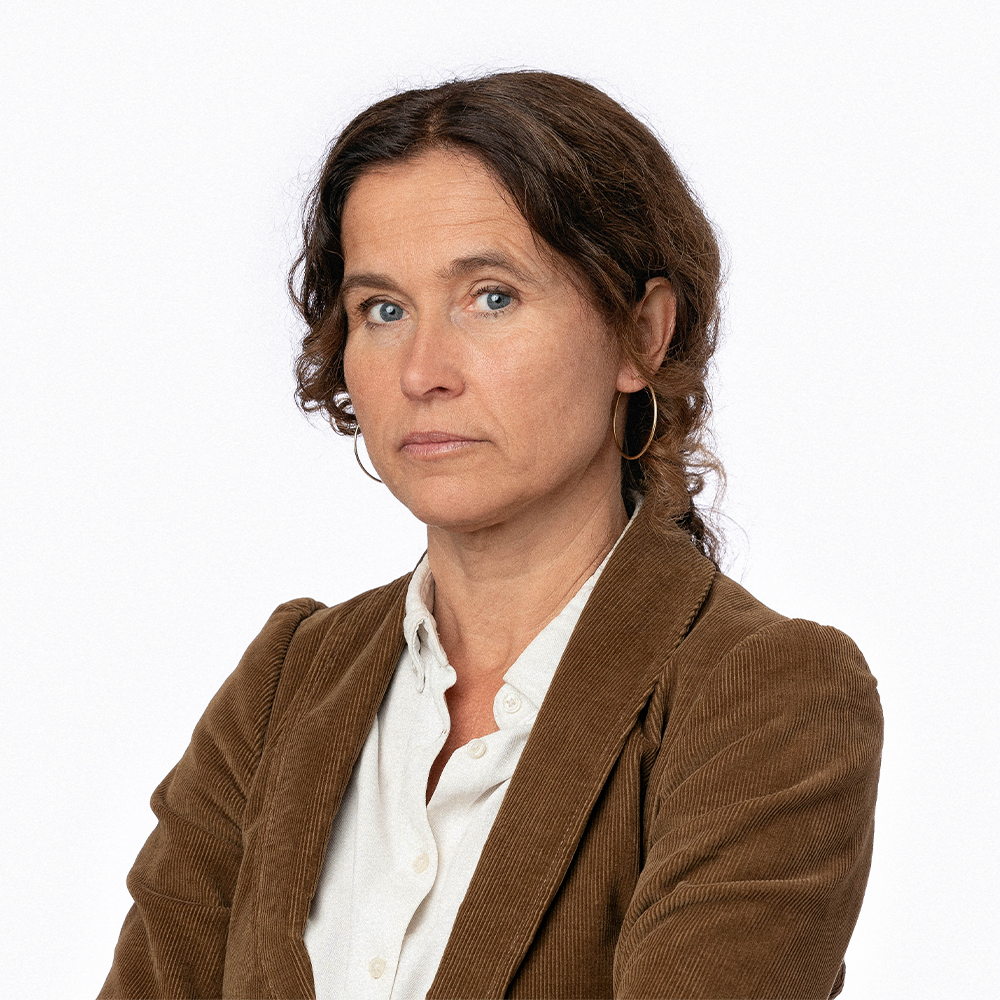
Julie Wilhelmsen er Forsker 1 og leder for Forskningsgruppen for Øst-Europa og Asia ved Norsk utenrikspolitisk institutt (NUPI). Hun har doktorgrad i statsvitenskap og arbeider med russisk innenriks- og utenrikspolitikk, radikalisering av islam i Eurasia og kritiske sikkerhetsstudier.
De to Tsjetsjenia-krigene etter Sovjetunionens fall og Russlands endrede forhold til Vesten er sentrale temaer i Wilhelmsens forskning. Wilhelmsen var i 2012-2016 medredaktør for tidsskriftet Internasjonal Politikk og er en aktiv deltaker i den offentlige debatten om internasjonal politikk. Hun mottok Skjervheimprisen i 2020 og Klassekampens Neshornpris i 2022 for sitt bidrag til den utenrikspolitiske debatten. Fritt Ords pris 2023 - Fritt Ord ble tildelt Wilhelmsen ‘for å ha vist betydningen av ytringsmot og utøving av akademisk ytringsfrihet i praksis’. I 2014-2015 var Wilhelmsen medlem av regjeringens ekspertgruppe for forsvaret av Norge. Fra 2019 til 2021 var hun en av ekspertene i Cooperative Security Initiative (CSI), som ble initiert for å skape nye ideer og oppmerksomhet rundt sikkerhetssamarbeid og multilateralisme gjennom OSSE.
Ekspertise
Utdanning
2014 PhD i statsvitenskap, Universitetet i Oslo
1999 Statsvitenskap hovedfag, UiO; Hovedoppgave: Konflikt i Den Russiske føderasjon
1996 Mastergrad i Russisk og Post-sovietiske studier, London School of Economics and Political Science
1995 Mellomfag i statsvitenskap, Universitetet i Oslo
1994 Mellomfag i russisk, Universitetet i Oslo
Arbeidserfaring
2025- Leder for Forskningsgruppen for Øst-Europa og Asia
2022- Forsker med professorkompetanse
2022 Leder for Forskningsgruppen for Øst-Europa og Asia (tidligere Forskningsgruppen for Russland, Asia og internasjonal handel)
2014-2022 Seniorforsker, NUPI
2003-2014 Forsker ved Avdeling for Russlandsstudier, NUPI
2002-2003 Russlandsforsker og prosjektleder ved Forsvarets forskningsinstitutt
1999-2001 Førstekonsulent i Utlendingsdirektoratet
Aktivitet
Filter
Tøm alle filtre
Tryggingspolitikk og stormaktsinteresser i Arktis
Noregs viktigaste utanrikspolitiske interesseområde er i nord. Arktis er likevel i endring. Korleis kan Noreg og andre nordiske land best bidra til å sikre fred og tryggleik i Arktis?
Inside Russia’s Imperial Relations: The Social Constitution of Putin-Kadyrov Patronage
I denne artikkelen (Slavic Review) analyserer seniorforsker Julie Wilhelmsen hvordan Moskva har klart å få kontroll over utbryterrepublikken Tsjetsjenia siden slutten på den andre Tsjetsjenia-krigen i 2002. Wilhelmsen argumenterer for at Moskvas kontroll er tuftet på en personlig relasjon mellom Vladimir Putin og Tsjetsjenias leder Ramzan Kadyrov som er sterkt preget av tsjetsjenske slektskapstradisjoner. Formelle føderale institusjoner og aktører har liten eller ingen jurisdiksjon i denne russiske republikken. Moskvas særegne og svake styre over Tsjetsjenia er ikke bare veldig forskjellig fra Moskvas styre over de andre republikkene i Russland, det reiser også spørsmål rundt muligheten for å kontrollere Kadyrovs Tsjetsjenia i fremtiden
Norway and Russia in the Arctic: New Cold War Contamination?
The standoff between Russia and the West over Ukraine has already obstructed cooperation across a range of issues. Could it also affect state interaction between Norway and Russia in the Arctic—an area and a relationship long characterized by a culture of compromise and/or cooperation? Here we start from the theoretical premise that states are not pre-constituted political entities, but are constantly in the making. How Russia views its own role and how it views other actors in the Arctic changes over time, calling for differing approaches. That holds true for Norway as well. To clarify the premises for interaction between Russia and Norway in the Arctic, we scrutinize changes in official discourse on Self and Other in the Arctic on both sides in the period 2012 to 2016, to establish what kind of policy mode—“realist,” “institutionalist,” or “diplomatic management”—has underlain the two countries’ official discourse in that period. Has Norway continued to pursue “balancing” policies undertaken in the realist mode with those in the diplomatic management mode? Which modes have characterized Russia’s approach toward Norway? Finding that realist-mode policies increasingly dominate on both sides, in the conclusion we discuss how the changing mode of the one state affects that of the other, and why a New Cold War is now spreading to the Arctic.
How the New Cold War travelled North (Part II) Interaction between Norway and Russia
This policy brief examines changing Russian and Norwegian approaches to each other in the period 2012–2016, and discusses how the “New Cold War” spread to the North. This is an intriguing question, since both parties had initially stated that, despite the overall worsening of Russia–West relations following the crises in Ukraine, the North should be protected as a space for peaceful interaction. To address this question, watching and tracking the changing patterns of Russian exercises and military modernization is not enough; understanding the rise in tensions requires studying the effects of the interactions underway between the parties in this region. Three interaction effects need to be taken into consideration in explaining why the tense relations following the conflict in Ukraine spread to the low-tension Northern theatre. In this, we stress the interactive dynamics that ensues when two parties start to view each other as threats, interpreting new moves by the other as expressions of hostile intent. Further, we explain the observed New Cold War “contamination” with reference to domestic policy agendas and practices of decision-making. On both the Norwegian and the Russian sides, the new military posturing in the North, now interpreted as part of a growing conflict, has emerged partly as a side-effect of implementing what actually were longstanding national goals.
How the New Cold War travelled North (Part I) Norwegian and Russian narratives
The standoff between Russia and the West over Ukraine has already obstructed cooperation across a range of issues. Could it also affect state interaction between Norway and Russia in the Arctic—an area and a relationship long characterized by a culture of compromise and cooperation? In two policy briefs we examine changes in how Russia and Norway have approached each other in the Arctic in the period 2012–2016. This first brief presents the development of official Norwegian and Russian narratives on the relations between the two countries in the Arctic. Such narratives stipulate logical paths for action. Showing how Norwegian and Russian policies have changed in line with these narratives, we conclude that what some refer to as “the New Cold War” is indeed spreading to the Arctic.
Russia's strategic approaches to Europe: Addressing the puzzle through policy relevant research (StratApproach)
Hvordan er Russlands strategiske tilnærming til Europa formet av landets tolkning av vestlige intensjoner og handlinger? Og hvilke konsekvenser har denne tilnærmingen for Norge? ...
Ei verd av mistillit – tillitsbruddet mellom Russland og Vesten
Forholdet mellom Russland og Vesten hamna i ein nedovergåande spiral etter krisa i Ukraina i 2014. Kva er konsekvensane, og kva kan gjerast for å dempe spenninga?
Kamp mot valdeleg ekstremisme: Kva kan vi lære av erfaringane frå Nord-Kaukasus?
Kva påverkar straumen av rekruttar frå republikkane i Nord-Kaukasus til jihadistgrupper i og utanfor Russland?
Seks nye år med Putin – kva no?
18. mars blir Vladimir Putin etter alle solemerke attvalt for ein ny seksårsperiode som president. Kva har det å seie for Russland?
Russisk utanrikspolitikk som eit verktøy for innanrikspolitisk mobilisering
Irina Busygina gjestar NUPI for å snakke om russisk utanrikspolitikk og dens påverknad for endringar nasjonalt.